The importance of archaeological services to the renewable energy sector
The renewable energy market has grown exponentially over the last decade and the construction of renewable energy infrastructure like any development can have an impact on below ground archaeological remains and above ground heritage assets such as listed buildings.
Wind farms comprise not just turbines and concrete foundation pads but also cable routes, access tracks and sub-stations, all of which can have an impact on buried archaeological deposits.
In addition, the height of wind turbines can have visual impacts on the surrounding landscape and heritage assets at a considerable distance.
Other renewable energy sources such as solar farms and hydro-electric schemes can also have significant implications for sub-surface archaeological remains.
Predictive archaeological models
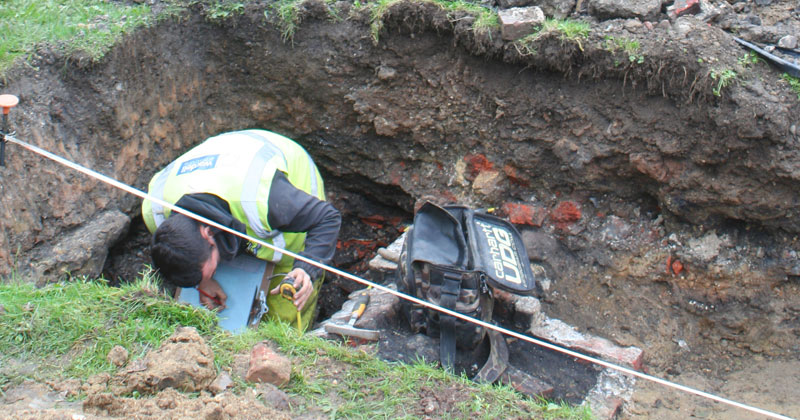
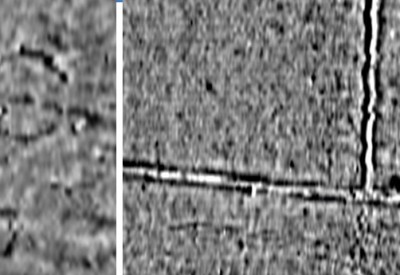
Wardell Armstrong Archaeology provide a package of services tailor made to meet the needs of the renewable energy market including predictive models - where areas of archaeological remains may be present based upon desk-based research, geophysical survey, test pit/trial trenching and, particularly in the case of windfarm schemes, peat coring.
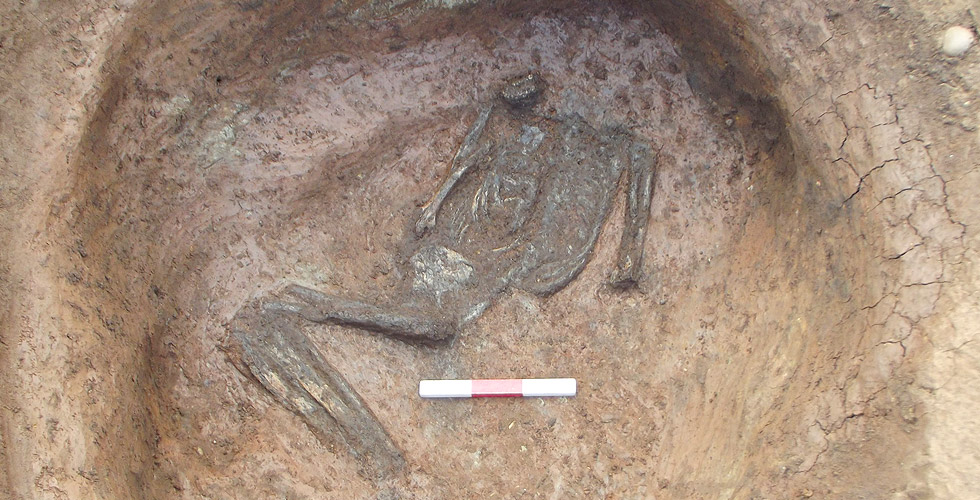
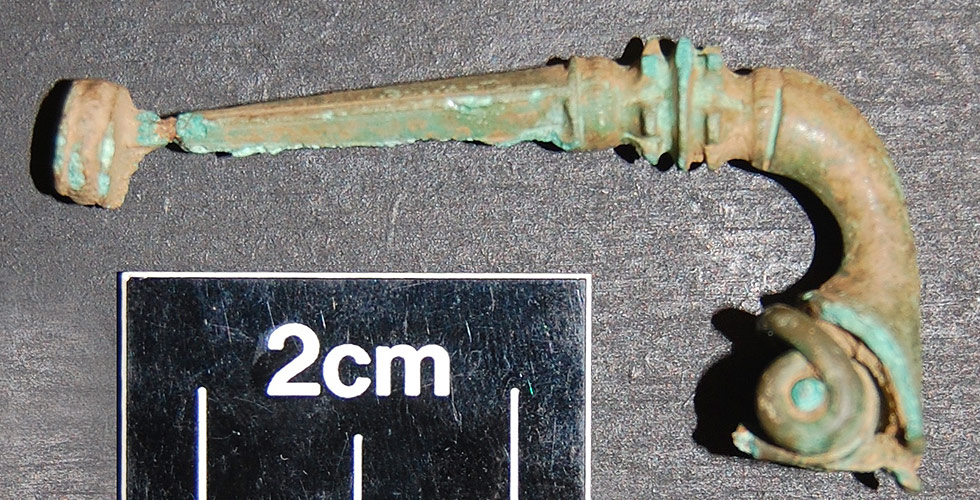
When archaeological remains are identified Wardell Armstrong Archaeology are able to mobilise swiftly to deal with the issue through various options including relocation of wind turbines to excavation of the archaeological remains.
Considerable experience has been gained of the problems of working in challenging locations.