Why early engagement with heritage issues is essential
The National Planning Policy Framework has the conservation of the historic environment as one of its 12 core principles.
The identification, understanding and appropriate response to heritage issues within the planning system has therefore never been more important and is critical to the success of any project which will affect a heritage asset.
Wardell Armstrong Archaeology has considerable experience in delivering expert advice through a wide range of archaeological and heritage consultancy services across all business sectors throughout the UK.
Projects have frequently been situated in highly sensitive historic environments, providing heritage planning advice on schemes within World Heritage Sites, such as Mann Island, Liverpool, Hadrian’s Wall, Ironbridge Gorge and Canterbury.
An in-depth knowledge of heritage legislation and a comprehensive understanding of the development and planning process have been essential factors.
Why early intervention is essential
Initial feasibility and risk assessments can be provided to clients prior to purchase ensuring the early identification of heritage issues and constraints.
Wardell Armstrong Archaeology are able to engage with national bodies and statutory consultees, local authorities and key stakeholders in order to gauge the sensitivity of the project and to develop a strategy to move the project forward.
Working closely as part of the design team, archaeological and heritage advice can be provided, leading to design modifications, embedded mitigation and archaeological avoidance strategies which both save time and money and provide the schemes with the optimum chance of success at the application stage.
Expert detailed analysis can be provided of the development of the archaeological, historic landscape and built heritage, including
- Setting Studies
- Landscape Character Assessments
- Conservation Area Appraisals
- Townscape Assessments
- Tall Building Assessments
- Archaeological Desk Based Assessments
Keeping heritage issues at the heart of the project
These can be used to inform the development of design schemes and to ensure that heritage issues are placed centrally within the design process. A key role is to navigate the scheme to success at the application stage.
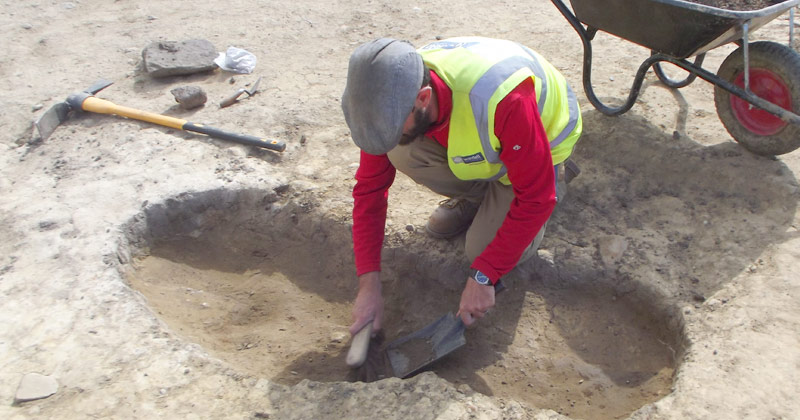
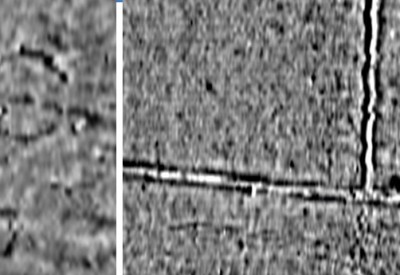
Wardell Armstrong Archaeology are able to advise on the need for further supporting studies, such as geophysical survey, buildings assessment or archaeological field investigations at the optimum time within a project schedule in order to avoid costly delays. Working closely with the field team brings the ability to design and deliver tailored archaeological strategies.
Designated heritage assets
Expert advice can be provided on designated heritage assets, advising on and obtaining Scheduled Monument and Listed Building Consent for a wide range of projects including
- A large flood scheme in the Roman Town of Alcester
- Groundworks in Kenilworth Abbey and Minchinhampton
- Listed Building Consents for projects in Sheffield, Chester, Stoke on Trent, Birmingham, Wolverhampton and Liverpool.
Post-submission heritage advice
Wardell Armstrong Archaeology also provide post-submission heritage advice, resolving issues, providing expert advice and rebuttal statements and representing clients at Public Inquiries, EiP (Examination in Public) and through written representations.