Buildings, monuments and archaeological remains
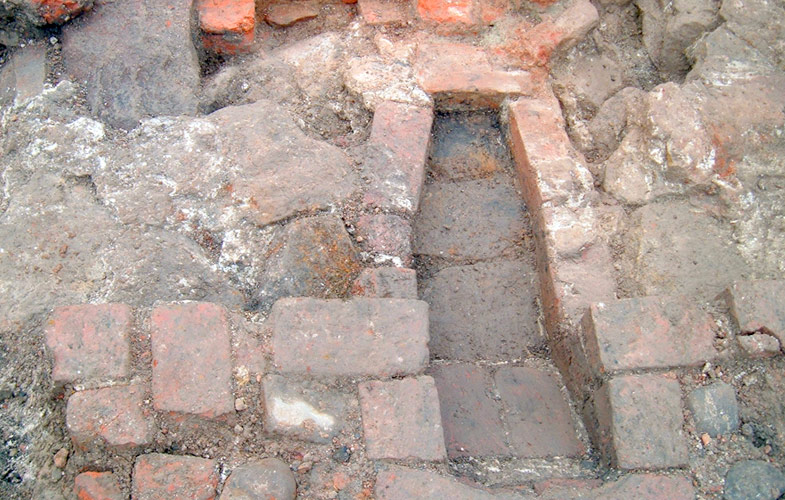
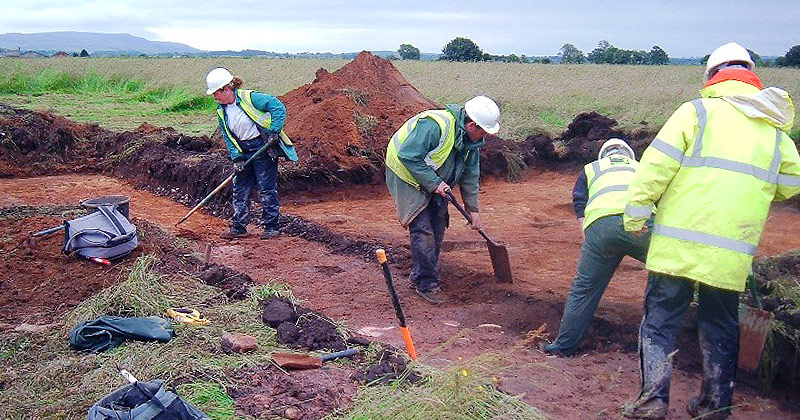
Development across all sectors, whatever their size and nature, can provide risks posed from the presence of above ground heritage assets such as listed buildings and scheduled monuments, and from below ground archaeological remains.
The risks to development can vary in degree but can be substantial both in terms of time and money.
Wardell Armstrong Archaeology has the expertise to guide developers through the planning process when heritage and archaeology are constraints to development and are well equipped to manage risks to development programmes in a timely and cost-effective manner.
Impact and desk based assessment
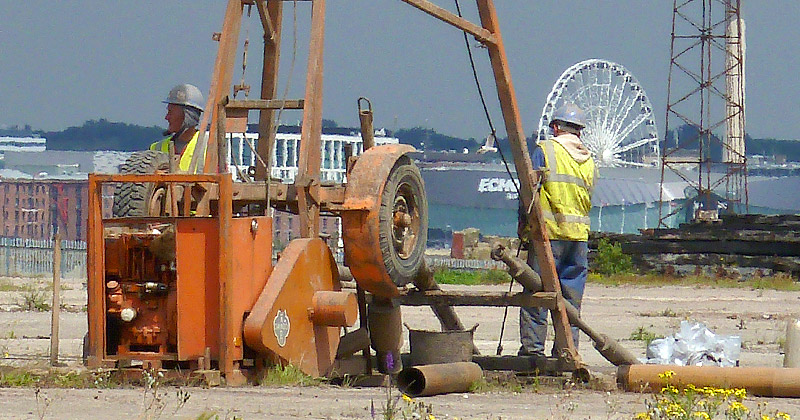
Wardell Armstrong Archaeology offers extensive heritage services including Environmental Impact Assessment (EIA) and Desk Based Assessment. Heritage Impact Assessments have also been carried out on a number of highly grade assets including World Heritage Sites such as Liverpool Waterfront and Hadrian’s Wall.
Historic building assessments and statements of significance - in particular listed buildings - are a speciality and provides a niche service relating to assessing the viability of listed buildings for conversion. The in-house team of heritage and EIA experts are able to provide clients with advice on heritage legislation, setting impacts, conversion/demolition of listed and/or historic buildings and with specialist building archaeologists.
In partnership with Plowman Craven
Working in partnership with Plowman Craven allows Wardell Armstrong Archaeology to provide its clients with a package of cost effective and rapid services which includes top end surveys of
- historic buildings
- underground structures
- archaeological remains
- listed buildings
along with the required assessments and reports.
Plowman Craven provide complete photographic documentation of structures, sites, objects and works of art. They are vastly experienced in techniques which provide a complete digital photographic archive in both normal and high dynamic range formats for scholarly research and conservation management.
Advances in hardware and software enable the creation of highly accurate, complex and realistic three-dimensional models and scenes which reflect the historical world.