Services for planners, developers and researchers
Wardell Armstrong Archaeology’s dedicated experts provide high quality services to planners, developers and other contractors. Post-excavation and publication reporting and all finds and environmental analysis capabilities, as well as illustrations and mapping, are available.
Post-excavation services can assist in the completion of planning-led, development-initiated and research-based projects. This service is also offered to other archaeological contracts requiring specialist advice.
Developers and other clients benefit from strict adherence to archive procedures, which ensures that planning conditions are met in full - enabling development projects to proceed as quickly as possible.
Total project control
All post-excavation processing, analysis and reporting is undertaken in-house and in a controlled environment. This level of control enables post-excavation processes to be co-ordinated and managed efficiently, saving time and money for clients and guaranteeing quality of output.
The post-excavation specialist team has excellent working relationships with a range of planners, engineers, architects, archaeologists and heritage managers.
Finds, drawings and records are prepared to museum’s individual standards
Post-excavation finds department
Capabilities include:
- On-site finds recovery
- Artefact stabilisation
- Finds processing & quantification
- Identification
- Spot-dating
- Finds assessment and reporting
- Analysis and reporting for publication
Dedicated finds specialists
Specialists provide input, analysis and reporting on a wide variety of artefacts, including:
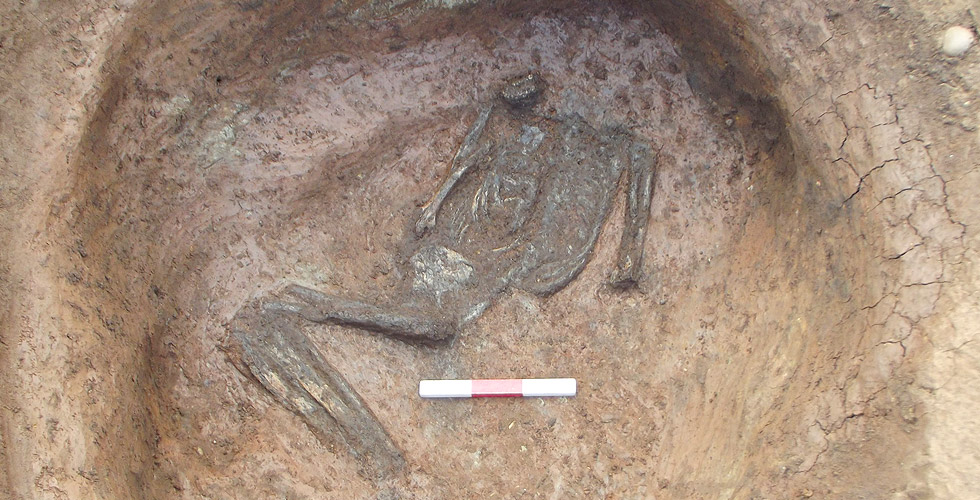
- Human remains and cremated bone
- Prehistoric to post-medieval pottery
- Ceramic building material and fired clay
- Clay tobacco Pipes
- Roman to post-medieval glass
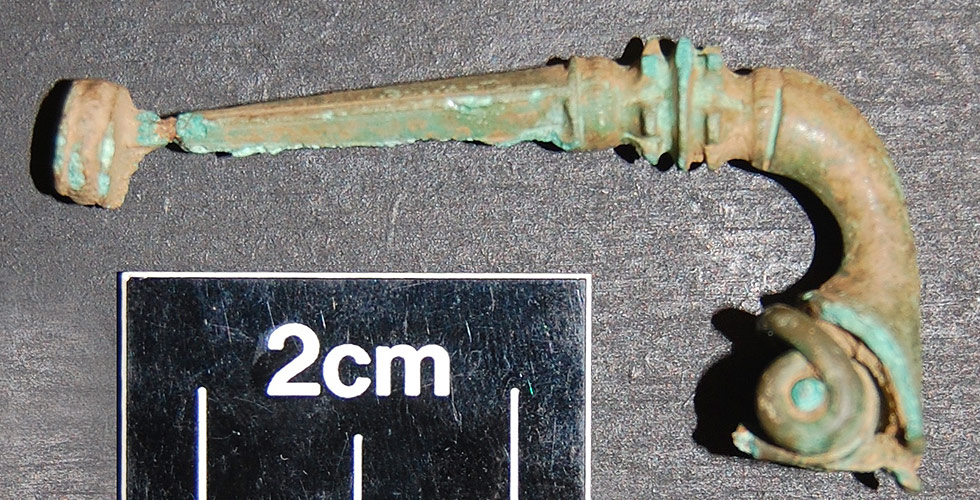
- Roman to modern metalwork analysis and small finds
- Organic finds identification (shale, jet, amber)
- Coins
- Flint, chert & worked stone (prehistoric lithics to 19th century gun flints)
- Evidence of metalworking and archaeometallurgy
- Worked bone
- Animal (faunal) remains
Reconstructed Roman vessels
Archives advice and guidance
The post-excavation finds department include:
- Advice on the storage of finds and documentary archives
- Advice on conservation of documents, finds and archival supplies
- Guidance on archive deposition and long-term curation
- Advice on alternative archiving recommendations and methods, including microfiche
The archives team prepares finds, drawings and records to museum’s individual standards. Digital copies of archives are sent to the National Archaeological Record and county-specific Historic Environment Records. Wardell Armstrong Archaeology fully supports digital archiving with OASIS (Online AccesS to the Index of Archaeological InvestigationS) and ADS (Archaeology Data Service) for long-term curation and automatic technical upgrading.