Archaeology and ground engineering - a combined approach
There is a considerable amount of overlap between the investigation of sites undertaken by ground engineers and those undertaken by archaeologists.
Combining the two disciplines on site can offer the client a number of benefits:
- An integrated, time saving and cost effective survey package
- A comprehensive assessment of risks/constraints to development
- A level of information at an early stage which aids the preparation of design schemes
- An integrated and holistic approach to the preparation of reports and plans
- A ‘one stop shop’ which negates the need for more than one contractor on site.
A combined approach between ground engineering and archaeology can be particularly effective when applied to the following tasks:
1. Desk based assessment
Ground engineering will normally cover a site’s history, current land use, topography and constraints such as historic mining, prior development, services and historic contamination to produce a report. Assessment of the archaeological sensitivity of a site will also cover these issues as they are relevant to the type and level of preservation of any archaeological remains which may be present.
2. Geophysical survey
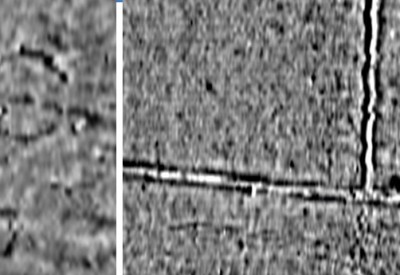
In ground engineering this is commonly used to produce constraints mapping, such as locating mineshafts, voided ground, faulting, shallow abandoned mine-workings, culverts/tunnels and other services etc. In archaeology geophysical survey is used to identify the presence of buried archaeological remains. Certain geophysical survey techniques can be applied to identify constraints pertaining to both ground engineering and archaeology and could be applied on a site by site basis
3. Intrusive site investigation
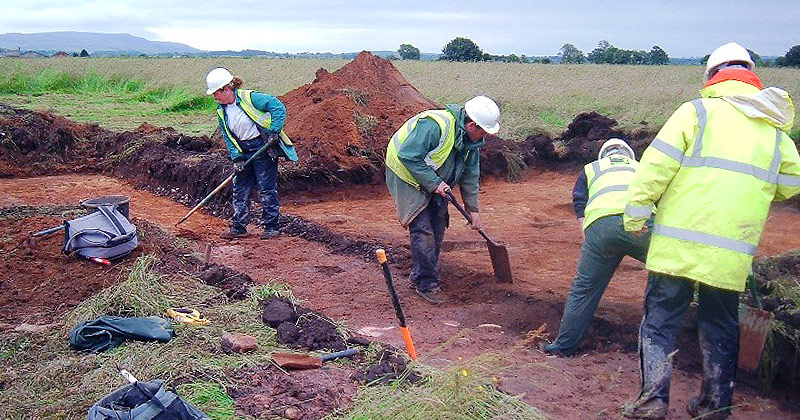
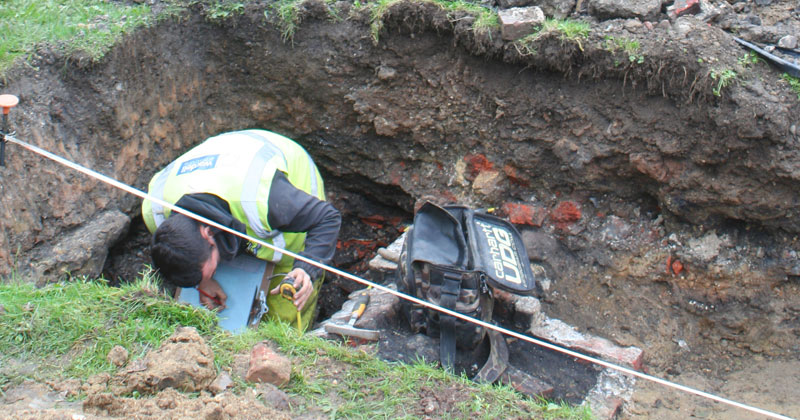
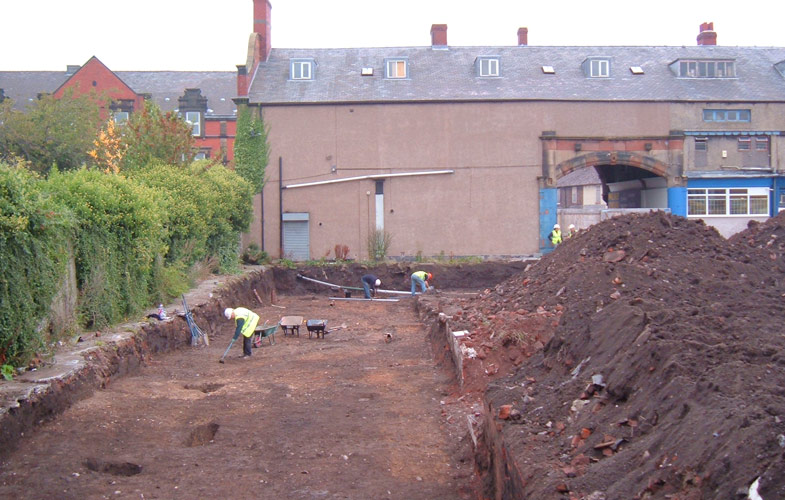
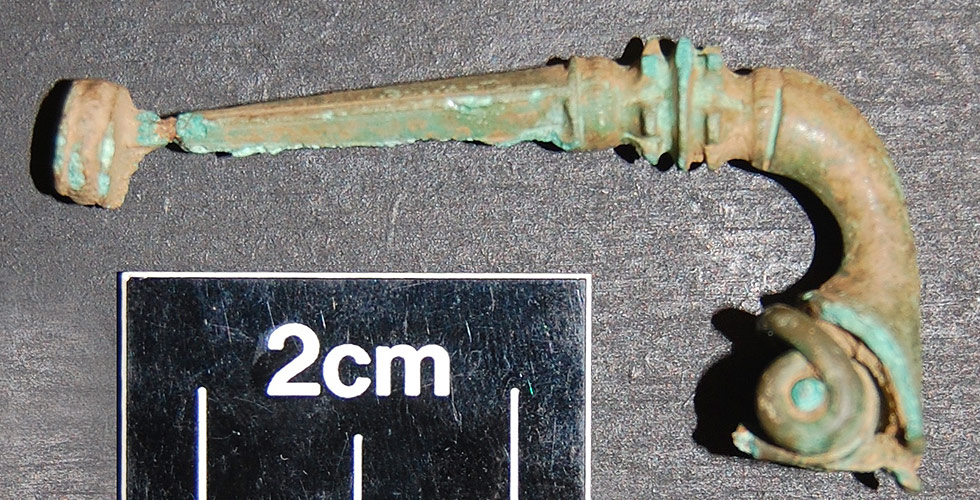
Ground engineering commonly employs trial trenching/test pits to locate mineshafts, edges of buried high-walls, structures etc, and to sample disturbed soils. These methods are also a standard evaluative technique used in archaeological investigation to locate and assess buried archaeological remains.
There are occasions when both types of trenching can be combined in the field to maximise the amount of information relating to constraints at an early stage. This will often entail an archaeologist monitoring the trial trenching being carried out by the ground engineers and vice versa.
Ground engineering uses boreholes to sample soils in-situ, test soils for relative strength, measure and record soils strata, locate rockhead, record rock strata, and test/sample rock in-situ and to locate and probe mine-workings and mine entries.
Similarly archaeological investigation is often done through the use of boreholes to test not only for past human activity but also to obtain samples from different soil types, such as alluvium or peat, to recreate past landscapes. Again, there are frequent opportunities for both disciplines to use a combined approach both in the field and in later laboratory analysis.
How ground engineering and archaeology combined can benefit developers »