Early archaeological remains identification - the benefits of trial trenching
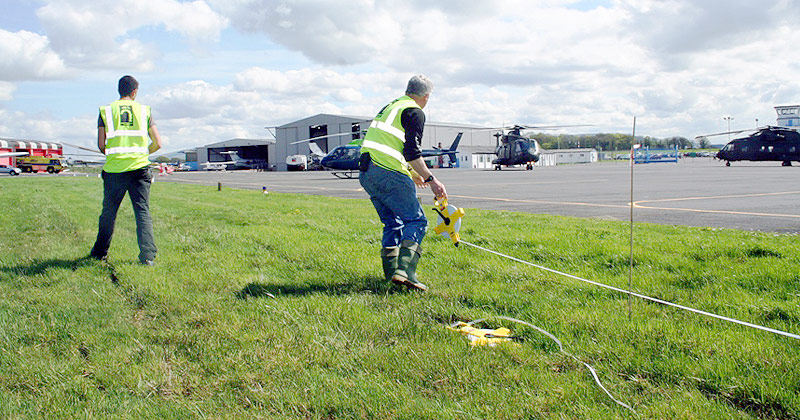
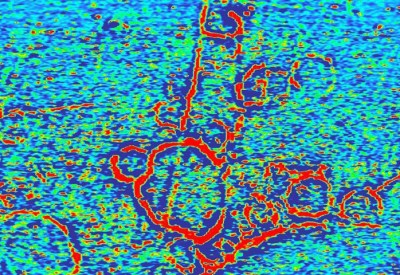
A number of evaluative methods like geophysical surveys, field walking and trial trenching are used to determine the possible presence and significance of buried archaeological remains.
Field walking is a relatively simple way of detecting pottery scatters or concentration of flints. Aerial photography can also be used to show crop marks or soil patterns that might suggest that there’s more to find below the ground.
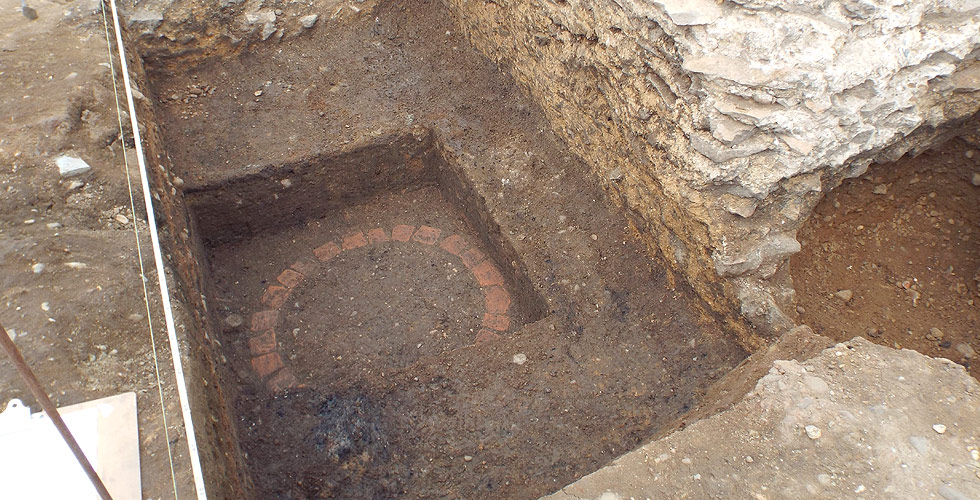
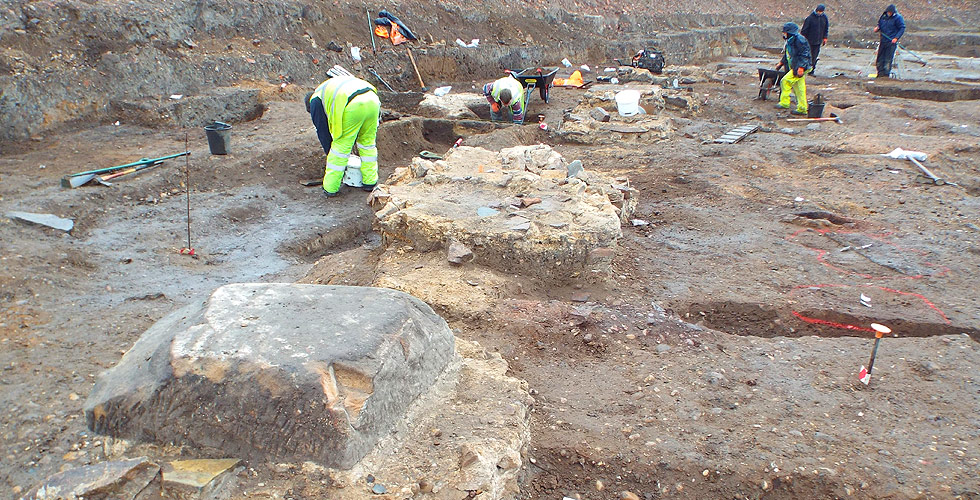
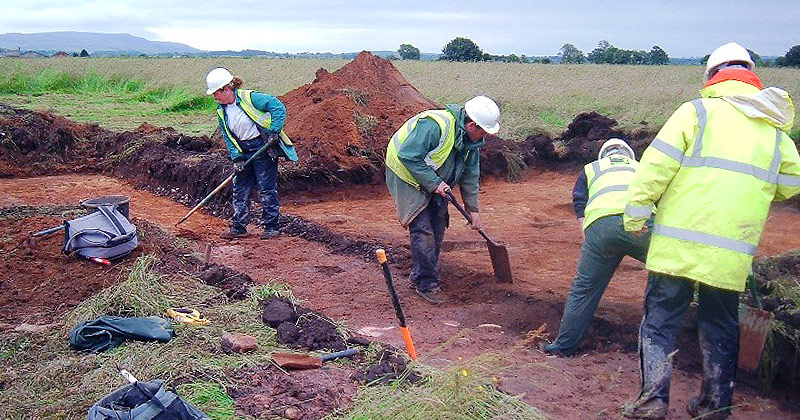
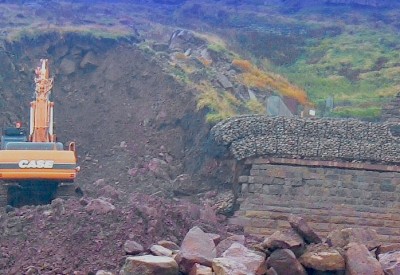
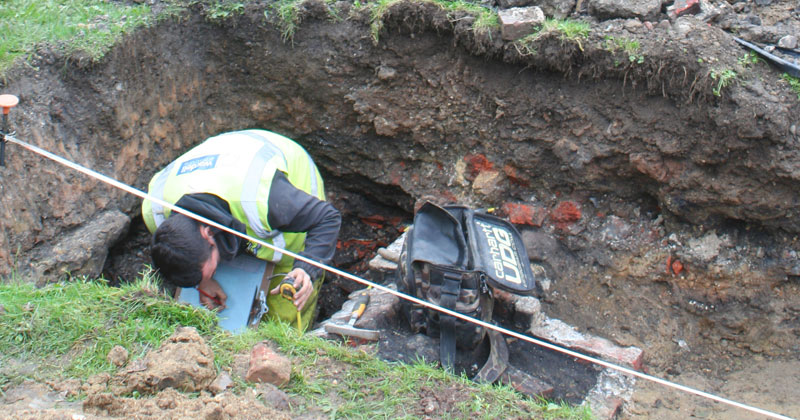
In urban contexts, trial trenching is often used to determine the presence of buried
remains. Trenches are typically between ten to thirty metres long, two metres wide
and any depth down to two or three metres.
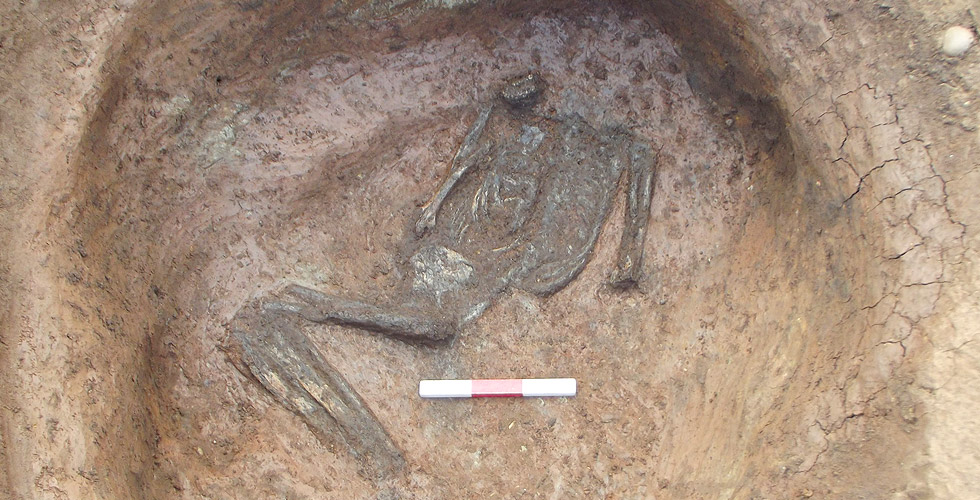
It’s an intrusive method which removes the soil and overburden to determine whether
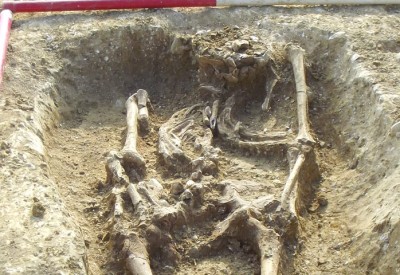
there are any archaeological remains present and what their extent, significance and
date may be.
Avoiding site shutdown
It can be of enormous benefit to be able to identify at an early stage any major risks that might be met later on in the development process. It’s much better to know early on if there’s significant archaeology within a site boundary than if it turns up when machines and contractors are on site. Late discoveries can have huge implications in terms of time and money, on occasions even stopping development completely.