Early detection of archaeological risks in land acquisition and the land process
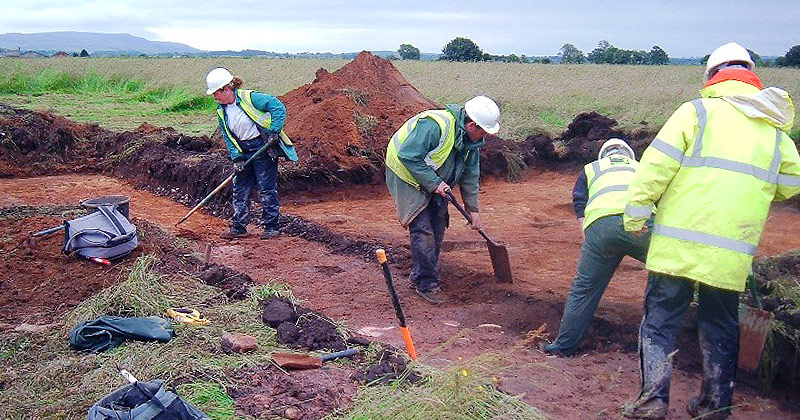
A majority of developers in the UK, whatever sector they work within, whether housebuilding, mineral extraction, mining, renewable energy, transport or utilities, at one time or another will have been forced to deal with problems posed by buried archaeological remains within a particular development site.
The development site in question may be a large scale mixed use urban expansion in a green field location; a sand and gravel quarry within a river valley or an office block in the heart of a busy city centre.
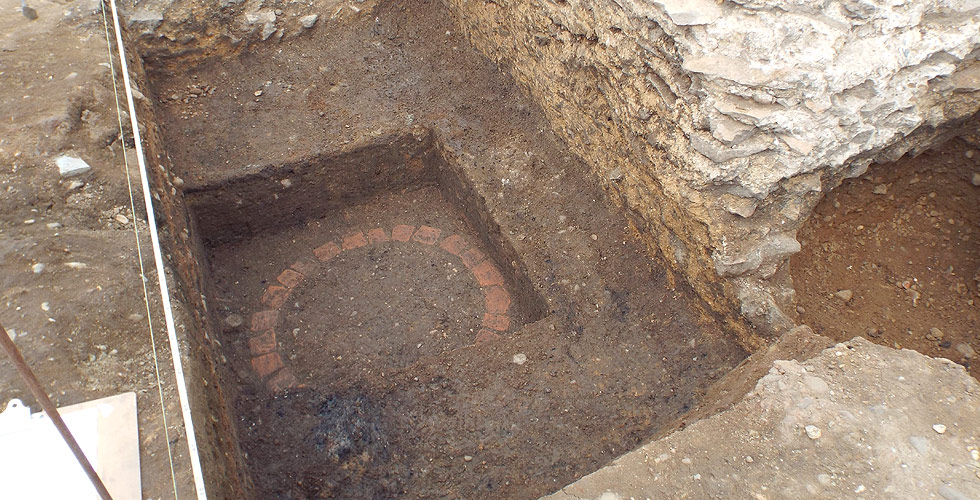
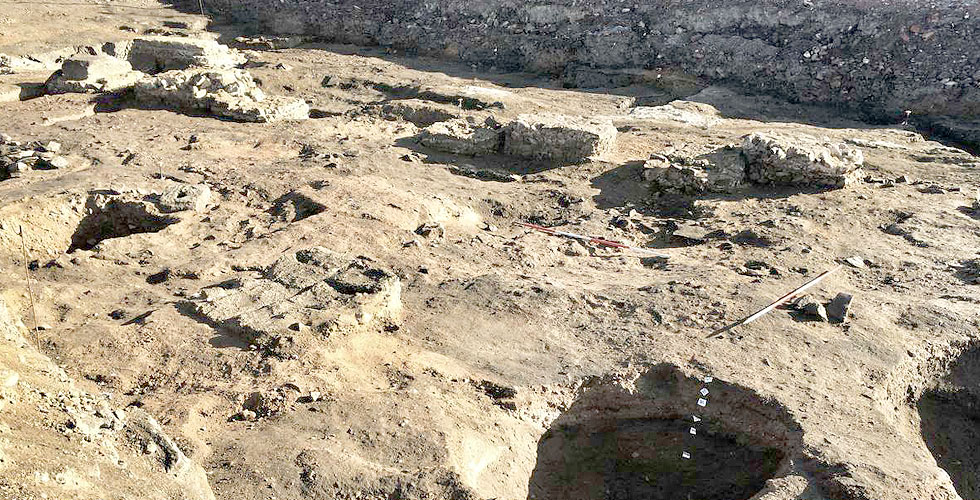
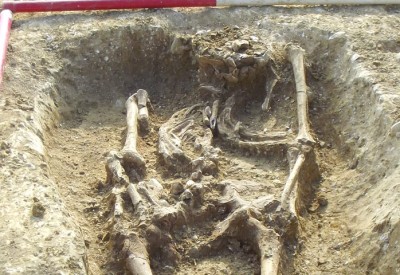
There will be nothing upon viewing the flat tarmac expanse of a former car park proposed for a new supermarket development or the gently rolling pastureland designated for mineral extraction, to suggest that beneath them lies the remains of an early medieval abbey or a Roman villa.
Early detection provides huge cost and time savings
The later in the development process this becomes apparent the greater the problem to the developer.
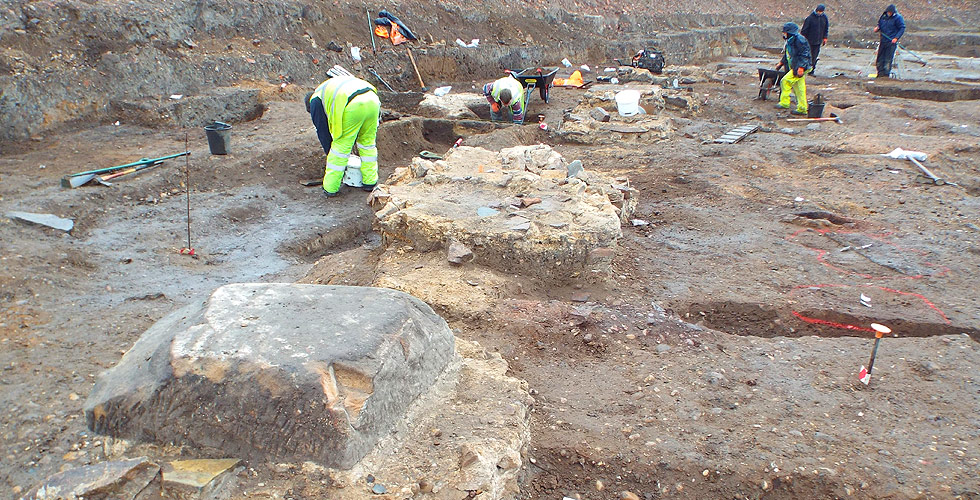
This is particularly the case when archaeological remains turn out to be either highly significant, i.e. of national significance and/or extensive and complex, an example of the latter being a very deeply stratified urban site where successive layers of archaeological remains can reach depths up to 3 or 4 metres below ground level.
As planning consent may be conditional upon full excavation and recording of the archaeological remains, the developer can find himself facing considerable financial outlay and expensive delays in the commencement of development to discharge the planning condition.
Should the archaeological remains be deemed of national significance the developer may alternatively find himself faced with a requirement for preservation of the remains in situ which can result in late on changes to a master-plan or even worse scupper the scheme entirely. The last scenario is a rare occurrence but cannot be completely discounted.
So whether a developer intends to build out a site himself or intends to sell it on with planning consent the presence of buried archaeology can have an adverse effect on either process costing the developer money directly or diminishing the value of the land he wishes to sell.
The benefits of a Constraints Report
A rapid and cost-effective way for a developer to gauge his potential risk in purchasing a piece of land for development is to commission a Constraints Report. This report will highlight any major archaeological or heritage issues which may be attached to the site in question and allow the developer to make an informed decision on how to proceed.
Wardell Armstrong Archaeology has considerable experience in assessing the potential risks attached to proposed development sites from archaeological remains and has a proven track record of providing clients with sound advice on how to eliminate or minimise their risks.