Significant historical assets can lurk within urban building sites
The issues facing social housing schemes including refurbishment projects are not that different from those involved in any other development.
Many social housing schemes are located in built up urban areas. This means that in
addition to the risk of finding archaeology below ground, there’s the potential for
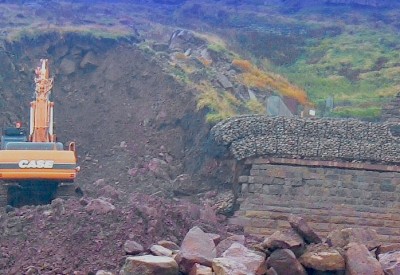
coming across historic assets above ground during demolition or refurbishment.
In such cases they will need to be surveyed, assessed, recorded and sometimes even preserved in some way for posterity.
Assessing the heritage value of development sites
19th century factories, warehouses, mills and terraces for example, can be considered of heritage value.
The archaeological task is therefore to build up a clear picture of the historical development and adaptation of the building over time, including original features hidden during later work.
More about historic building surveys »
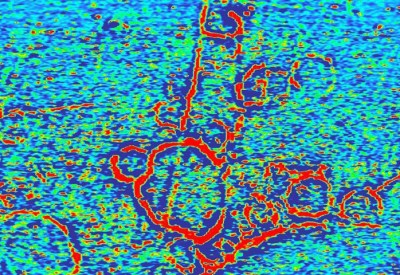
In terms of below ground archaeology, complex urban sites can contain deeply stratified buried remains dating from the Roman right up to the Victorian period.
Urban sites can sometimes have up to 4m of archaeological layers, especially in cities like London and Winchester, which have ancient origins.
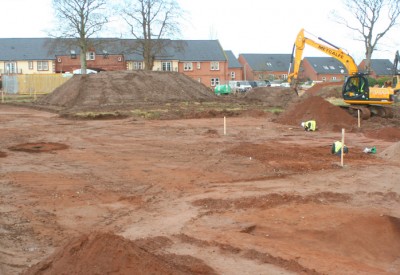
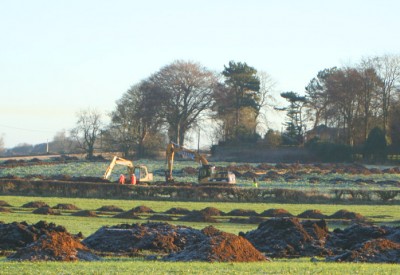
Social housing schemes in more rural locations, such as on the edge of a town or a village, may also face the prospect of remains buried below ground. In some cases remains might date back as far as the prehistoric period.