How Blockchain Technology is Reshaping Online Entertainment: A 2026 Guide to Crypto Casino Platforms in the UK
How Blockchain Technology is Reshaping Online Entertainment: A 2026 Guide to Crypto Casino Platforms in the UK

I've spent the better part of the last few years watching the UK online gambling scene shift beneath our feet, and honestly, nothing has moved the needle quite like blockchain technology. Back in 2023 and 2024, crypto gaming felt like a niche curiosity. Fast forward to 2026, and it's become a genuine talking point at every industry conference I attend, with UK players increasingly asking sharp questions about transparency, fairness, and where their money actually goes when they hit 'spin.'
This guide is my attempt to unpack what's really happening. I'll walk you through how blockchain works under the hood, why it's gaining traction specifically in the UK market, and what you need to know to play safely and legally in this new landscape. No hype, just a clear-eyed look at where things stand.
What Is Blockchain Technology and How Does It Power Online Casinos?
At its core, blockchain is simply a distributed digital ledger—a record-keeping system spread across thousands of computers rather than stored on one central server. Every transaction gets verified by the network and locked into a 'block,' which then chains permanently to the previous one. Nobody can quietly edit the history. That immutability is what makes it so appealing for an industry that's historically struggled with trust issues.
When you apply this to online casinos, the appeal becomes obvious. Instead of trusting a single company's internal database to tell you honestly whether you won or lost, the outcome is recorded on a public, tamper-proof ledger. Deposits, wagers, and payouts all become traceable events rather than opaque numbers sitting in a private system.
The Role of Smart Contracts in Fair Gaming
Smart contracts are where things get genuinely clever. These are self-executing pieces of code that automatically carry out an agreement once certain conditions are met—no human intervention required. In a casino context, a smart contract can be programmed to pay out winnings the instant a game round concludes, based purely on the coded rules of that game.
What this eliminates is the middleman risk. There's no customer service queue to sit in while someone 'reviews' your withdrawal, no delayed payout because a manual approval process got backed up. The contract just executes. It also enforces game rules with mathematical precision, meaning the odds you're told exist are the odds actually baked into the system.
Why Blockchain Is Reshaping the UK Online Entertainment Landscape
Several forces are pushing this shift forward in the UK specifically. Players here have grown noticeably more skeptical of traditional payment processing delays and fee structures. Industry data I've reviewed suggests transaction costs on blockchain-based platforms can run significantly lower than card payment processing, and withdrawal times that once took days can now happen in minutes.
There's also a cultural shift happening. UK consumers, having lived through several high-profile data breaches and payment scandals across various sectors, are simply more receptive to systems that offer independent verification rather than 'trust us' assurances. Add to that a growing base of crypto-savvy younger players who already hold digital assets for other purposes, and you've got a natural audience ready for this technology.
Provably Fair Systems Explained
This is probably the single most important concept for UK players to understand. Provably fair gaming uses cryptographic hashing to let you verify, independently and mathematically, that a game's outcome wasn't manipulated after you placed your bet.
In practice, before you place a wager, the platform generates a hashed (encrypted) seed value. After the round finishes, you can check that seed against the actual result to confirm nothing changed mid-game. It's a bit like sealing a prediction in an envelope before an event happens, then opening it afterward to prove you weren't tricked. This level of verifiability simply doesn't exist in traditional online casino models.
Key Benefits of Crypto Casino Platforms for UK Players
Beyond the fairness argument, there are practical day-to-day advantages worth mentioning:
- Enhanced privacy — transactions don't require sharing full banking details with every platform you use.
- Near-instant withdrawals — blockchain settlement times often beat traditional banking rails by a wide margin.
- Fewer banking restrictions — some UK banks still flag or block gambling-related card transactions, which crypto payments can sidestep.
- Global accessibility — players aren't limited by regional payment infrastructure quirks.
- Lower house edges — reduced operational overhead sometimes translates into better odds for players.
If you want to dig deeper into the regulatory and technical research surrounding this space across Europe, the crypto casino research initiative offers a solid overview of how blockchain gambling frameworks are developing and what compliance standards are emerging. I'd recommend it as further reading if you're serious about understanding the underlying mechanics rather than just the marketing pitch.
Navigating UK Regulation and Compliance in 2026
Here's where I want to be candid: the UK Gambling Commission hasn't rolled out a bespoke 'crypto casino license' separate from its existing framework. Instead, operators wanting to legally serve UK customers must hold a standard UKGC license, and cryptocurrency transactions get layered into existing AML (Anti-Money Laundering) and KYC (Know Your Customer) obligations, often with extra scrutiny given crypto's pseudonymous nature.
Licensed operators accepting crypto typically convert holdings into fiat internally for accounting and regulatory reporting purposes, even if the player-facing experience feels fully crypto-native. This hybrid approach lets them stay compliant while still offering blockchain-based transparency features to players.
Spotting Licensed vs. Unlicensed Platforms
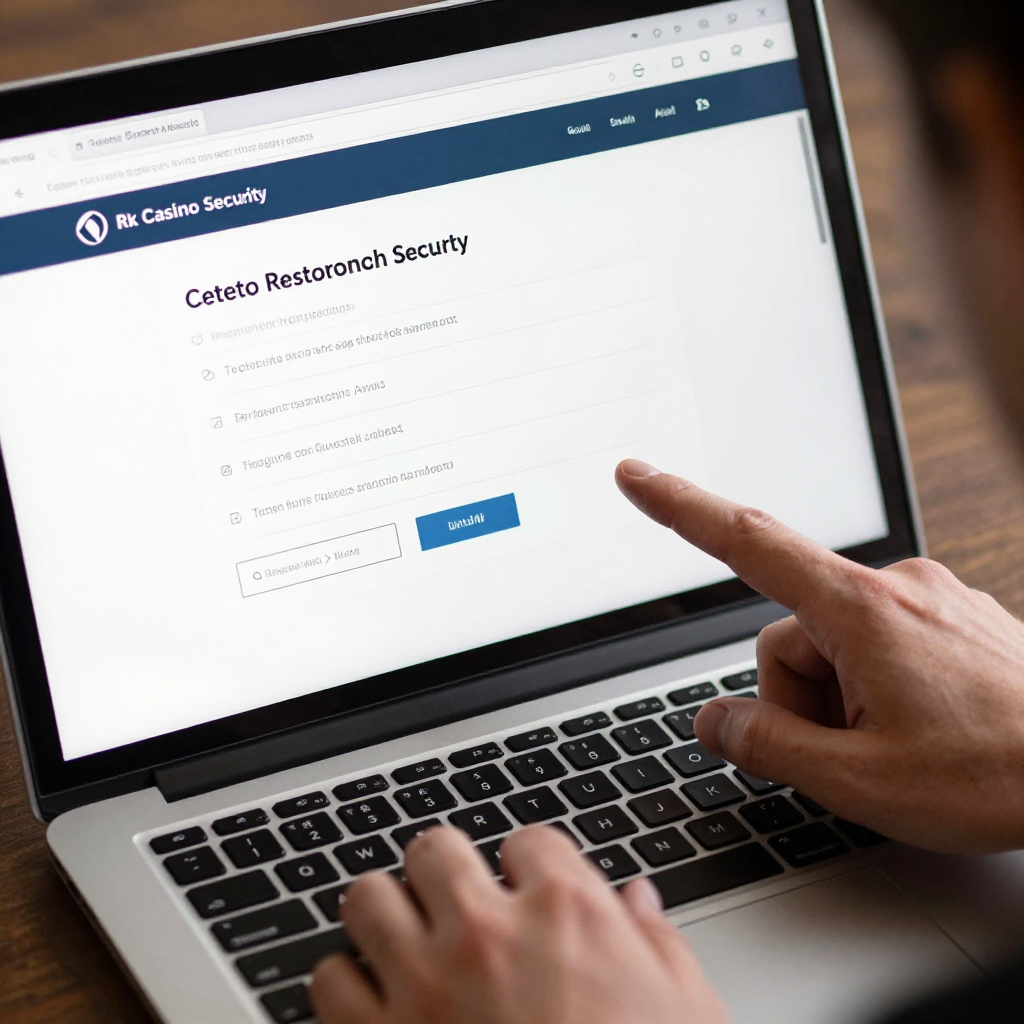
Before depositing anywhere, check the footer of the site for a UKGC license number, then verify it directly on the Gambling Commission's public register—don't just trust the badge displayed on the page, as these get faked more often than you'd think. Unlicensed offshore platforms often lure UK players with eye-watering bonuses precisely because they don't face the same compliance costs. If a site is vague about its licensing jurisdiction or dodges your questions in live chat, that's a red flag worth walking away from.
How to Choose a Trustworthy Crypto Casino Platform
From my own vetting process, here's what actually matters:
- Confirm licensing status through official regulator databases, not just site claims.
- Look for published smart contract audits from recognized third-party security firms.
- Test withdrawal speed with a small amount before committing larger sums.
- Check which cryptocurrencies are supported—Bitcoin, Ethereum, and increasingly stablecoins like USDC offer more price stability than volatile altcoins.
- Read independent reviews on forums and community platforms, not just testimonials curated by the operator itself.
Common Risks and Mistakes to Avoid
I've seen too many players get burned by rushing in without doing homework. Ignoring responsible gambling tools is a big one—just because a platform is decentralized doesn't mean you should skip setting deposit limits or using self-exclusion features if you need them. Using unregulated crypto exchanges to fund your account can also expose you to unnecessary security risks.
Unrealistic bonus promises are another trap. If a platform offers a 500% deposit match with no clear wagering terms, that's usually a sign of desperation, not generosity. And please, secure your crypto wallet properly—enable two-factor authentication and never share your seed phrase with anyone, including 'support staff' who ask for it.
The Future of Blockchain in UK Online Entertainment
Looking ahead, I expect NFT-based loyalty programs to become more mainstream, letting players hold tradeable, verifiable rewards rather than points that vanish when a promotion ends. Decentralized autonomous organizations (DAOs) are also starting to experiment with community governance over certain platform decisions, like game selection or fee structures, which could genuinely shift power dynamics between operators and players.
Regulatory clarity will likely continue improving too, as the UKGC gains more experience with blockchain-specific compliance questions. This maturation should, over time, separate the serious operators from the fly-by-night sites chasing quick profits.
Conclusion
Blockchain technology isn't just a buzzword tacked onto online gambling marketing anymore—it's genuinely reshaping how trust, transparency, and fairness function in UK online entertainment. Provably fair systems and smart contracts give players verification tools that simply didn't exist a few years ago, while faster transactions and lower fees make the overall experience smoother.
That said, none of this replaces due diligence. Stick with licensed, audited platforms, understand the regulatory landscape you're operating within, and use the responsible gambling tools available to you. The technology is powerful, but it's still your judgment that keeps the experience safe and enjoyable as this space keeps evolving through 2026 and beyond.